Business
Chai Lai Orchid
A jungle ecolodge and elephant sanctuary where tourism creates paid training and work for Karen women vulnerable to trafficking and exploitation.
The heart of it
Tourism can take from a place, or it can leave more behind. At Chai Lai, stays, jungle adventures and elephant experiences help create paid work, training and education — keeping more of what travelers spend in the hands of the people who live here.
The impact, in short
LOCAL ECONOMY
Half the village
Chai Lai says half of the families in its roughly 250-person village now earn income through the project.
TRAINING
Paid while learning
Trainees earn a wage while learning hospitality, English and Thai, financial literacy and other job skills.
EDUCATION
Scholarships
Daughters Rising funds higher education for refugee and ethnic minority women, alongside its employment and training programs.
Economic Agency
Artisan Shop
Women from nearby villages sell handmade crafts directly to guests, creating another source of income.
What it is
Chai Lai Orchid sits among jungle, rice fields and mountains outside Chiang Mai, where travelers come to stay, trek and spend time with elephants. Behind the experience is a social enterprise built to make tourism work differently.
The lodge operates alongside Daughters Rising, the anti-trafficking nonprofit co-founded by Alexandra Pham. Chai Lai provides paid hospitality training and work for women from Indigenous, refugee and migrant communities, while tourism revenue helps support education and prevention programs.
The model extends into the surrounding village, where local residents work across the tourism economy — from guiding and driving to farming, weaving and hosting guests. Chai Lai says half of the families in the roughly 250-person village now earn income through the project.
Training is only the beginning
At Chai Lai, training happens on the job. Women are paid while learning hospitality and language skills, financial literacy and other practical skills — building experience they can carry beyond the lodge.
And some have. Former trainees have moved into leadership roles, guiding and entrepreneurship. Daughters Rising graduates Nukul and Golo went on to help build Chai Lai Sisters, a tour company run by ethnic minority women — a reminder that the goal isn't simply to create jobs inside one business, but more choices beyond it.
What a souvenir can carry
In the shop at Chai Lai, handwoven textiles connect travelers with another part of the local economy. Through Daughters Rising's RISE initiative, Indigenous women in remote villages make accessories and home goods for sale to visitors and online, giving their work access to a wider market.
There is knowledge woven into those pieces, too. Techniques move between generations, carrying patterns, skills and traditions forward. Here, craft isn't treated as cultural decoration. It's skilled work that carries both tradition and economic value.
Beyond the sanctuary label
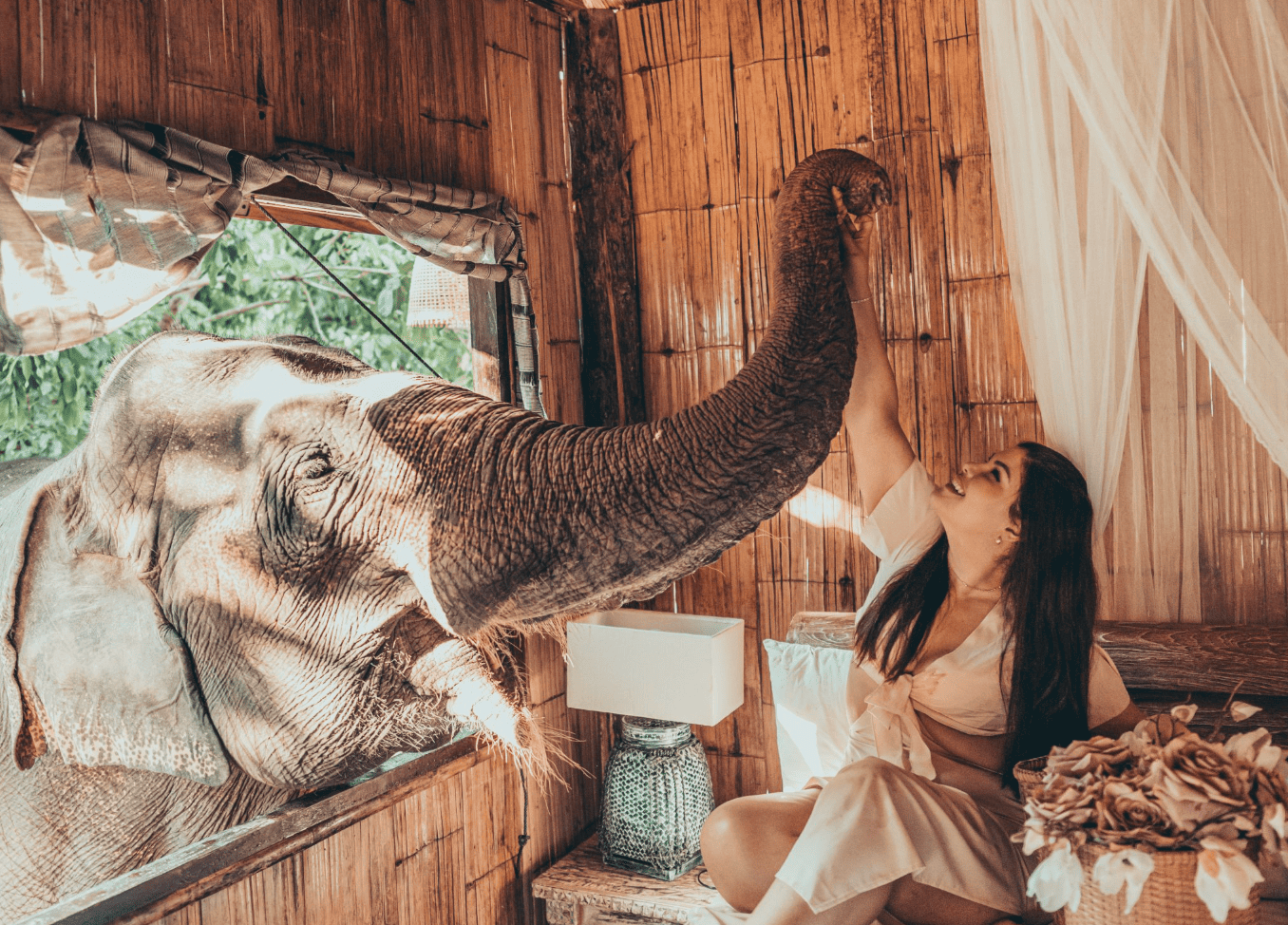
Elephants are one of the reasons travelers find Chai Lai in the first place. The project says it has cared for, fed or rescued 22 Asian elephants over the past decade, and guests can spend time with them in the jungle and river.
But Chai Lai argues that animal welfare can't be separated from the people whose lives are bound up with their care. Its approach includes fair wages and greater freedom for mahouts, and working with local families who care for elephants rather than simply removing the animals from them. It's a wider view of responsible elephant tourism — one that considers the wellbeing of both elephants and the people whose livelihoods are tied to their care.
The people behind the project
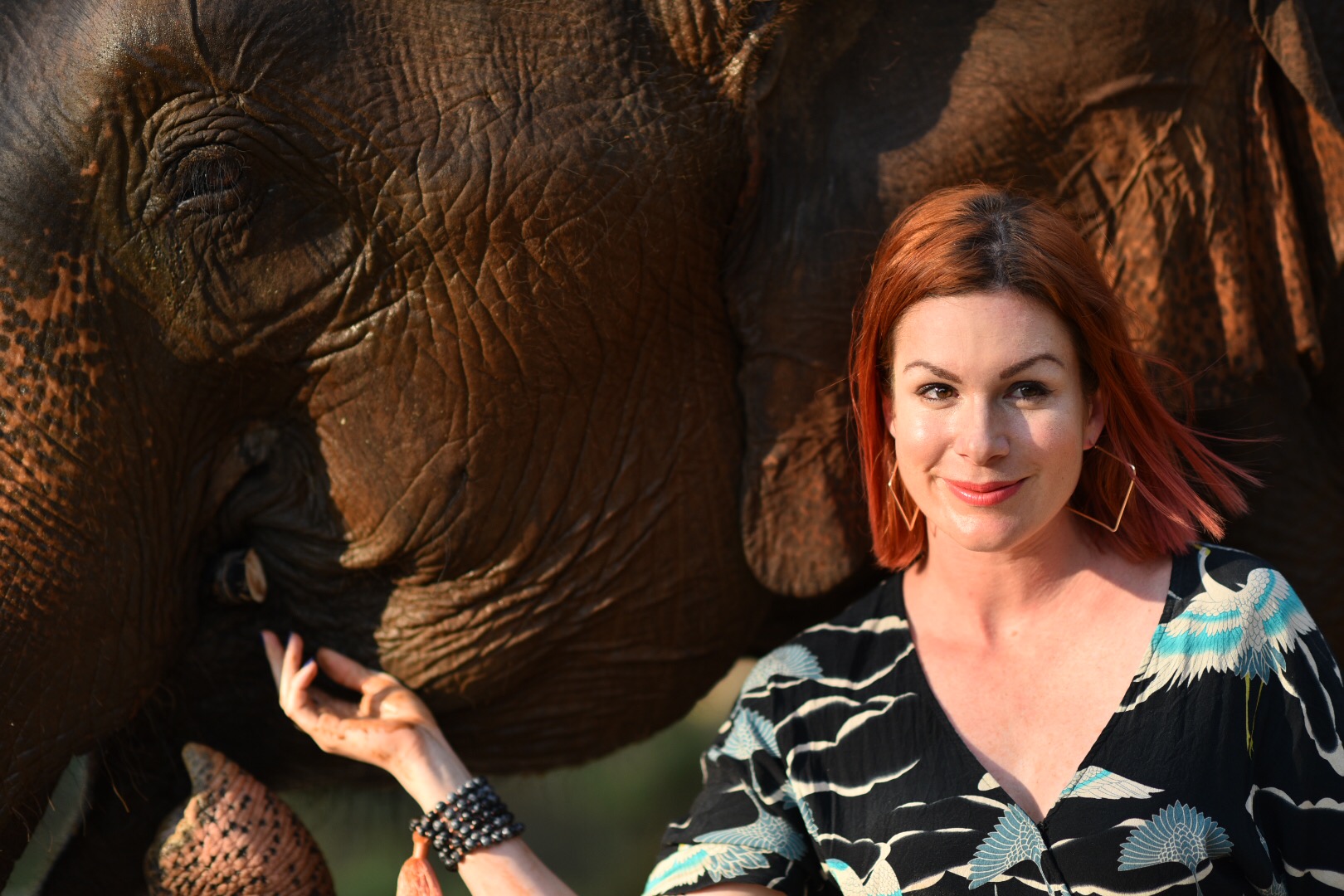
Alexa Pham
Founder · Chiang Mai, Thailand
Her story
Alexandra Pham founded Chai Lai Orchid and co-founded Daughters Rising after becoming involved in anti-trafficking work in Thailand. A turning point came when she encountered a girl being trafficked who couldn't access an existing safe house because she lacked legal documentation — revealing how easily refugees, migrants and others can fall through gaps in support.
Daughters Rising grew from that gap. Chai Lai came later, born from a practical question: how could the work be funded for the long term? Tourism became part of the answer.
Recommended by
Follow the thread
Across places and generations, women and their work are connected — through craft, tradition, community and shared experience. Sistra follows those threads.