Business
Steri Tours
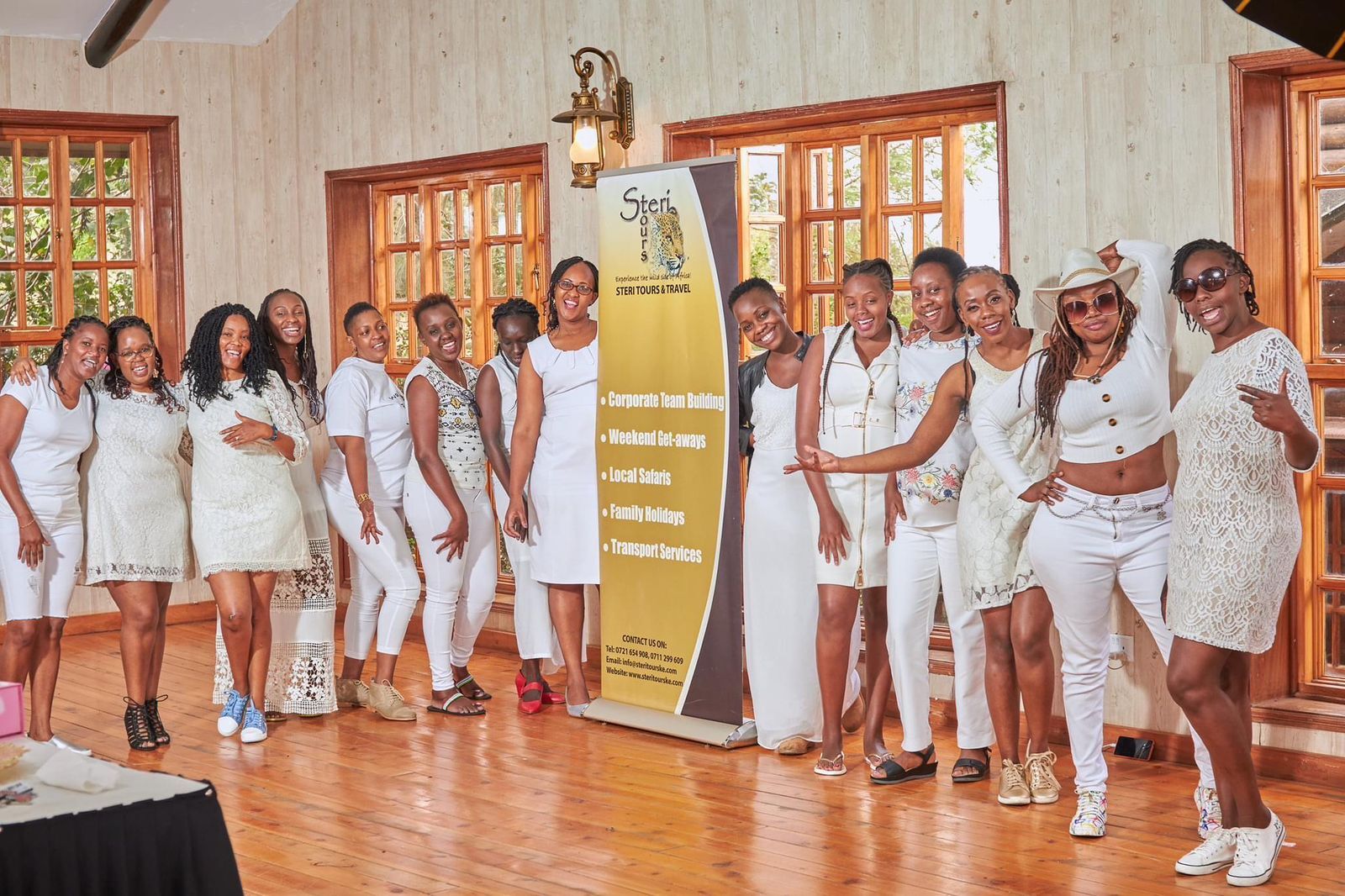
A Kenyan, women-led travel company using tourism to create deeper journeys, stronger local livelihoods and more opportunities for women.
The heart of it
Steri Tours asks a different question of travel: who benefits when we arrive? Its journeys are co-created with local communities so that the people holding Kenya's stories, traditions and landscapes share in the income, visibility and opportunity tourism creates.
The impact, in short
Leadership
Women-Opening doors into tourism
Steri prioritizes mentorship, internships and professional opportunities for girls and young women entering tourism.
Culture/Preservation
Keeping living knowledge visible
Steri prioritizes girls and young women for internships, mentorship and opportunities to build tourism careers.
Community / Ownership
Co-created, not staged
Experiences are developed with local artisans, elders, chefs, guides and community partners rather than simply presented around them.
Social Impact
Tourism as a tool
Steri works with NGOs, conservancies and social-impact organizations to translate their work into immersive experiences that can generate understanding, visibility and local economic activity.
What it is
Steri Tours is a Kenyan-founded travel company built around a simple idea: tourism should create opportunity for the people who make a destination worth visiting.
Founder Phoebe Maina spent more than 15 years working across humanitarian development and social impact before moving into tourism. Traveling through Kenya, she repeatedly saw the same contradiction: successful tourism destinations surrounded by communities receiving relatively little of the value tourism generated. Steri grew from her desire to narrow that gap.
Today, the company creates private and customized journeys across Kenya working directly with local hosts and community partners.
But Steri's social model extends beyond where travelers spend their money. Phoebe also uses the business to create entry points for girls and young women pursuing careers in tourism, offering mentorship, internships and professional opportunities in an industry where access can still be uneven.
“Travel should create genuine symbiosis between visitors and the communities they encounter. Not charity. Not spectacle. Real partnership.”
Living knowledge
Kenya is home to dozens of distinct ethnic communities, each carrying its own languages, foodways, music, histories and ways of understanding place.
Steri brings that living knowledge into its journeys by working with communities themselves — including Yaaku and Agikuyu knowledge-holders — rather than treating culture as scenery around a safari.
The distinction matters: these traditions are not simply things for travelers to observe. They are knowledge systems carried by people.
Turning impact into something people can experience
Steri also works with NGOs, conservancies and social-impact organizations to turn their work into thoughtfully designed visitor experiences.
These programs give travelers and donors a closer understanding of the work while creating another way for organizations and host communities to generate visibility and economic activity.
Current collaborations include community-led experiences with the Kilgoris Project in Transmara, Amani Foundation & Initiatives in Tanzania and community conservancies represented by the Laikipia Conservancies Association.
Conservation with communities at the center
Through its work with the Laikipia Conservancies Association, Steri is co-creating tourism experiences with community conservancies, including wildlife tracking and cultural immersion.
The important distinction is who gets to shape the product: the company describes communities as partners in deciding how their land, knowledge and stories enter the visitor experience — connecting conservation income with local ownership rather than treating residents as an add-on to the safari.
Making room for women in tourism
For Phoebe, women-led means more than who owns the company.
Steri gives priority to young women seeking internships and early-career opportunities in tourism and hospitality, with Phoebe personally mentoring women navigating the industry. She has spoken particularly about the challenges women can face when many entry-level hospitality roles are based far from home in lodges and national parks — and the need for more routes into the industry.
That work extends beyond Steri. Phoebe has held leadership and mentorship roles with the Kenya Association of Women in Tourism, an industry organization working to expand women's employment, participation and leadership across Kenyan tourism.
Her aim isn't simply to bring more travelers into Kenya. It is to widen who gets to participate in — and benefit from — the tourism economy.
That last sentence is editorial synthesis, but grounded strongly enough in everything she has said.
Travel designed around women's lives
Steri’s first trip after Kenya’s COVID lockdown wasn’t a safari. It was a Mumcation, created after Phoebe saw how heavily the pandemic had affected women and mothers and wanted to make space for rest, movement and reconnection.
The company later experimented with Girls Picnics and other women-centered gatherings alongside its broader travel offering.
The people behind the project

Phoebe Maina is a Kenyan social impact practitioner and founder of Steri Tours, using tourism to create stronger local livelihoods, expand opportunities for women and give communities a greater stake in how their places and cultures are shared.
Her story
Phoebe spent more than 15 years working across social impact, women’s empowerment and community development before moving into tourism. After seeing successful tourism destinations exist alongside communities receiving far less of the benefit, she began Steri Tours as a side project in 2017 and moved into it full-time in 2020.
What she's building toward
A tourism industry where more women and local communities have the opportunity to shape, lead and benefit from the experiences built around their cultures, landscapes and knowledge.
Follow the thread
Across places and generations, women and their work are connected — through craft, tradition, community and shared experience. Sistra follows those threads.