Business
Matat
A network of Indigenous women artisans building their own path from inherited craft to economic independence.
1 / 2
The heart of it
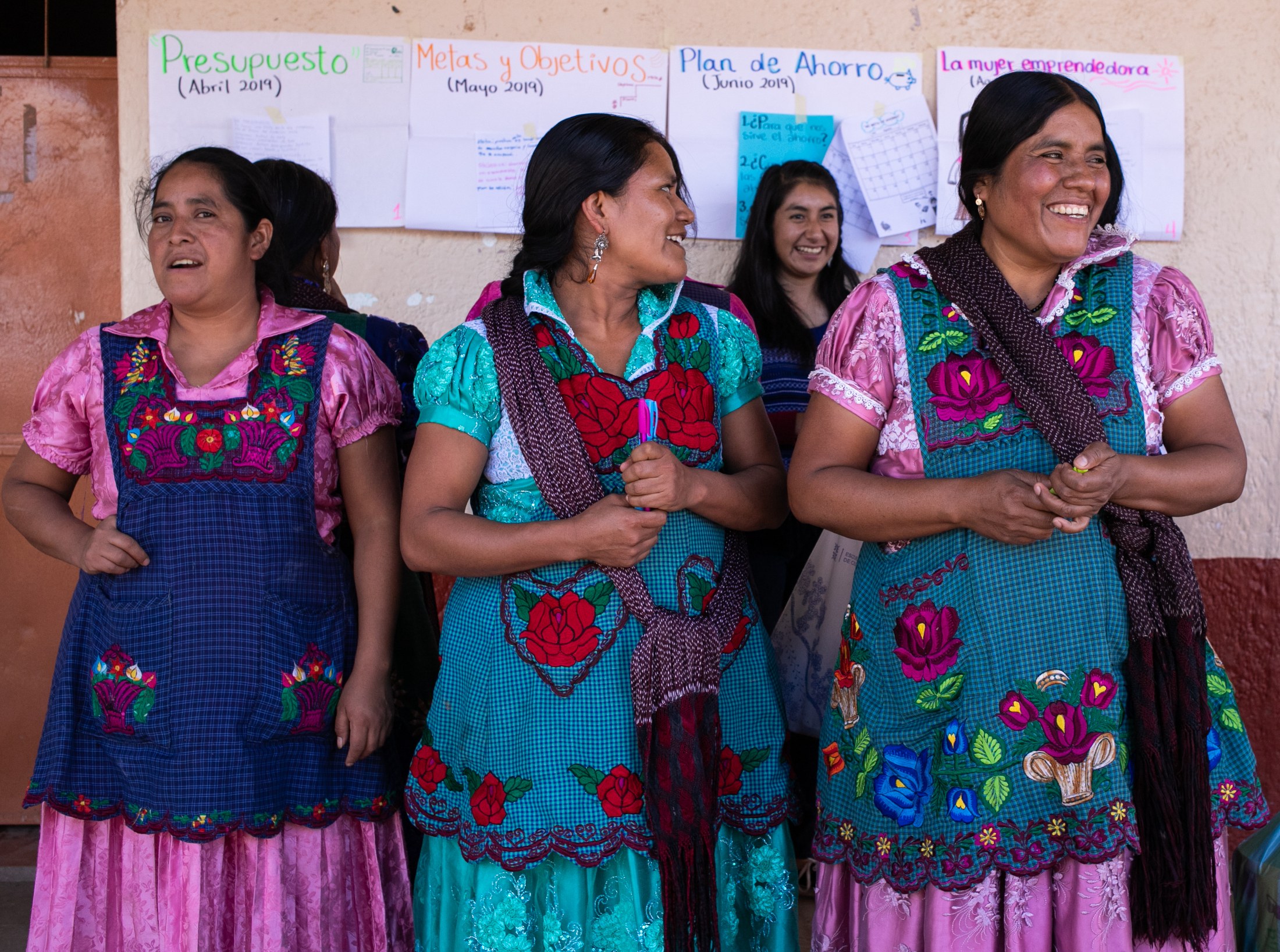
Matat began with women artisans asking a bigger question than how to sell more: what would it look like to build the market around their own leadership, communities and traditions instead?
The impact, in short
Fair Trade
242 Women, 24 Enterprises
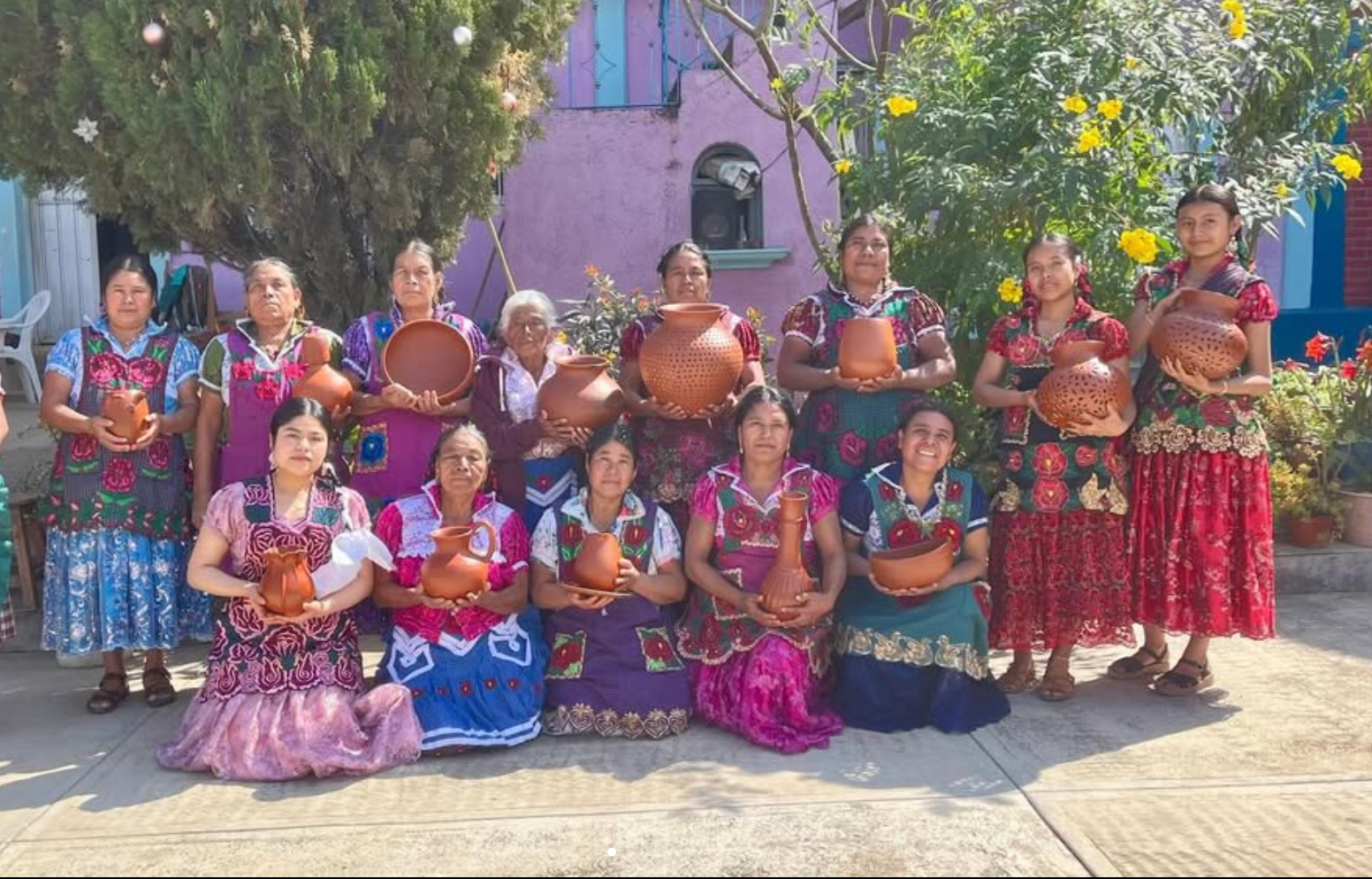
Matat brings together 242 women across 24 women-led social enterprises, 20 localities and five Mexican states.
Economic Autonomy
Women Run The Enterprises
Artisans organize through women-led social enterprises designed to strengthen leadership, production capacity and economic autonomy.
6 Indigenous Peoples
The network brings together Tzeltal, Tzotzil, Mixtec, Otomí, Nahua and Rarámuri women while keeping distinct traditions and languages visible.
From Maker to Market
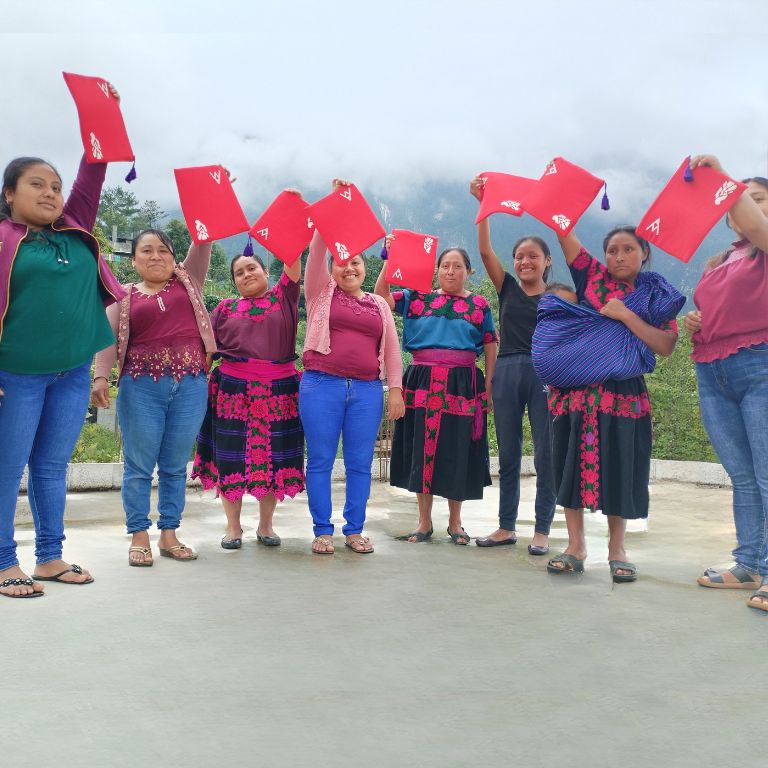
Matat connects artisan work with direct sales, contemporary products and custom collaborations without separating it from the women and communities behind it.
What it is
Matat operates as a collaborative network connecting Indigenous women artisans with contemporary markets. Today, the network spans five Mexican states and six Indigenous peoples, bringing together women who work across textiles, beadwork, natural fibers and wood. By focusing on economic autonomy, Matat creates routes to market that give artisans greater control over how their work is valued and sold.
Their work is grounded in principles of responsibility, transparency, solidarity, fairness and equity. Through the wider network, women organize through their own social enterprises, strengthening not only production and sales but also leadership and decision-making around their work.
Matat also helps carry traditional techniques into new contexts. Heritage practices remain rooted in the communities they come from, while the resulting pieces move into contemporary wardrobes, homes and custom collaborations with outside brands and projects.
Many traditions, one network
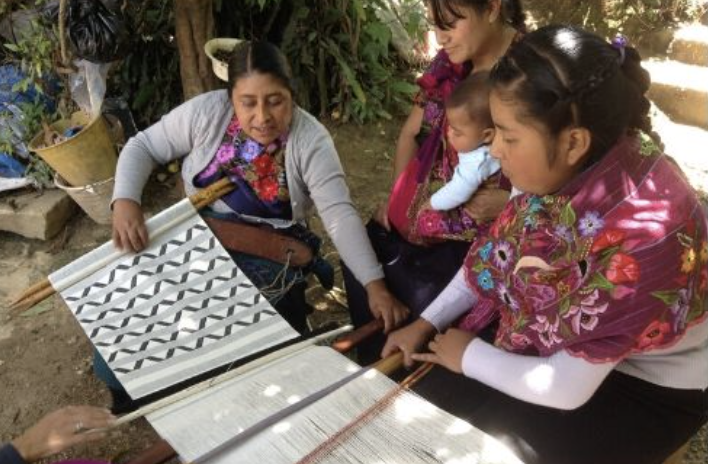
Matat works across six Indigenous peoples and six major craft traditions, including hand embroidery, beadwork, natural-fiber weaving, backstrap loom, pedal loom and polychrome wood.
The network brings those traditions into one commercial structure without treating them as interchangeable. Each technique remains connected to the community, language and knowledge system it comes from.
How the network works
Matat is made up of Empresas Sociales de Mujeres Artesanas — women-led social enterprises that combine production with leadership, training and economic organization.
The model places artisans at the center of decisions around their work while giving individual groups access to a wider commercial network. That makes it possible to sell directly, develop new products and take on larger custom collaborations without dissolving the identity of the community or technique behind each piece.
Recommended by

Follow the thread
Across places and generations, women and their work are connected — through craft, tradition, community and shared experience. Sistra follows those threads.